

The Role of Luck in Gambling
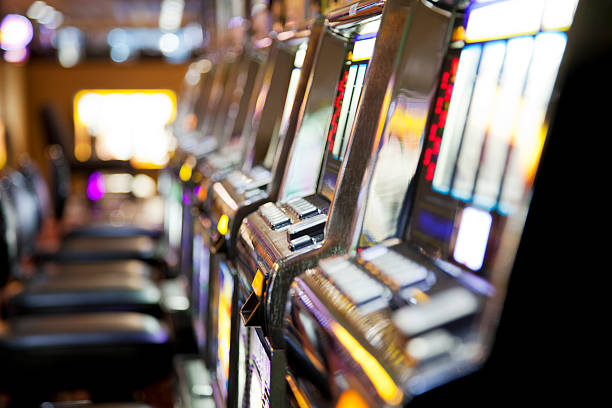
Luck is frequently regarded as a pivotal element in discussions about casino success, with many players convinced that it significantly influences the outcomes of their games. In games characterized by random results, such as slot machines and roulette, chance seems to reign supreme, suggesting that luck is a primary determinant of success. For those searching for options that prioritize quick payouts, casino sites fast withdrawal can be essential to enhancing their experience. Players often share tales of unexpected wins that change their fortunes overnight, emphasizing how serendipity can transform the gambling experience and fuel a belief in luck’s power.
Despite this perception, it’s crucial to recognize that the mechanics of casino games are designed with the house’s advantage in mind. While it is possible to experience lucky streaks, these instances are usually temporary, and the majority of outcomes are dictated by odds and probabilities. A thorough understanding of these odds is essential for players aiming to navigate the complexities of gambling effectively. Although luck may offer a short-term boost, it is often strategic decision-making that dictates long-term success in the casino environment.
Moreover, psychological factors significantly influence how individuals interpret luck. Many gamblers develop superstitions or adhere to rituals, believing that these behaviors might enhance their luck. This phenomenon often creates an illusion of control, whereby players struggle to recognize the importance of skill and strategy in their decisions. In essence, while luck undoubtedly plays a role in gambling, it is often the player’s interpretation and response to their experiences that matters most, overshadowing pure chance.
The Importance of Strategy and Skill
While luck can indeed lead to short-term wins, experienced gamblers understand the critical nature of strategy and skill in achieving enduring success. Take poker, for example; the game heavily relies on player expertise. Knowledge of the game, the ability to read opponents, and making calculated decisions are all essential components that significantly sway outcomes. In contrast to games rooted solely in chance, poker uniquely marries elements of luck with skill, allowing astute players to capitalize on their advantages over time.
Furthermore, many casino games present players with opportunities to employ strategies that can help mitigate the house edge. In blackjack, for instance, mastering techniques like card counting or utilizing strategic betting systems can substantially enhance a player’s winning potential. By concentrating on skill development and strategic gameplay, individuals can create an environment where luck becomes a minor influence in their overall success. This strategic approach not only bolsters their chances of winning but also enhances the enjoyment of the experience.
Even for those who view gambling primarily as a form of entertainment rather than a means to generate income, the significance of strategy cannot be overstated. Grasping the rules and odds associated with various games can lead to reduced losses and heightened enjoyment. Players who dedicate time to learning their favorite games often find themselves on a more gratifying and potentially profitable trajectory, reinforcing the idea that while luck may play a role, strategic play is vital for sustained success in casinos.
The Psychology of Gambling and Luck
The psychological dynamics surrounding gambling and luck present a captivating area of exploration, revealing why many players attribute their successes or failures to luck alone. A common phenomenon among gamblers is the “gambler’s fallacy,” where individuals mistakenly believe that previous outcomes can influence future results. This erroneous belief can lead to irrational betting behaviors, such as attempting to recover losses or assuming that a win is imminent after a series of losses.
Additionally, the thrill and excitement of gambling are often intertwined with the concept of luck. The anticipation of hitting a jackpot or experiencing a significant win can evoke intense emotional responses, causing players to feel euphoric or despondent based on their fortunes at the tables. This emotional rollercoaster can cloud a player’s judgment, making it challenging to adhere to rational strategies or recognize when it is prudent to walk away from the game.
Cognitive biases further impact how gamblers perceive luck in their experiences. Many players tend to remember their victories more vividly than their losses, leading to an inflated sense of personal luck or skill. This skewed perception can perpetuate gambling behaviors that may not be financially sustainable in the long run. By understanding these psychological factors, players can cultivate a more balanced perspective on their gambling experiences, appreciating that luck is only one of many components contributing to their success or failure.
The House Edge and its Implications
The concept of the house edge is fundamental to understanding casino games and their implications for players. This built-in advantage guarantees that, over time, the casino will always come out ahead, regardless of individual strokes of luck. For instance, although a player may win occasionally in a game like roulette, the odds are stacked in favor of the casino, underscoring that luck alone cannot ensure success over the long term.

This knowledge leads to the realization that successful gambling necessitates more than mere hope for luck to strike. Players must educate themselves about the odds of each game and the strategies that can help minimize their losses. By recognizing the house edge and how it influences gameplay, individuals can make informed decisions about the types of games they choose and the strategies they implement. This proactive approach can lead to a more enjoyable gaming experience.
Ultimately, comprehending the house advantage empowers players to set realistic expectations for their gambling endeavors. While luck may yield temporary success, it is crucial for gamblers to approach casino gaming with a strategic mindset and informed decision-making. By acknowledging the role of the house edge, players can enhance their experiences and improve their chances of leaving the casino with a positive outcome.
Learn More About Effective Gambling Strategies
For those interested in delving deeper into the complexities of gambling and the interplay between luck and skill, numerous resources are available to aid in this pursuit. Websites focused on gambling education offer valuable insights, strategies, and tips on various games, assisting players in refining their understanding and approach to gambling. Whether you’re investigating new games or aiming to enhance existing skills, these resources can prove invaluable in your gaming journey.
Moreover, many online communities and forums provide spaces for players to share their experiences, strategies, and insights. Engaging with fellow enthusiasts can deepen one’s understanding of the psychological aspects of gambling as well as the practical applications of different strategies. These interactions foster a sense of community centered around the shared interest of gaming, making the experience more enjoyable and enriching for all involved.
In conclusion, while luck undoubtedly plays a role in casino success, it is imperative to recognize the importance of strategy, knowledge, and informed decision-making. Success in gambling often results from a blend of skill and chance, and players who equip themselves with the right tools and insights are likely to enjoy a more rewarding experience. Understanding this balance will not only enhance the enjoyment of the game but also provide a more comprehensive approach to achieving success in the dynamic world of casinos.